
How to Plan Balanced Meals Without Stress: A Simple Guide
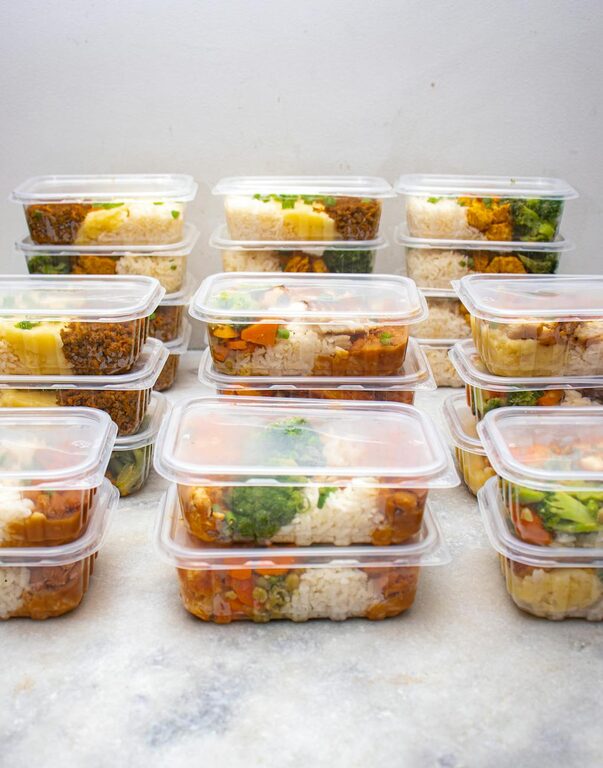
Planning balanced meals doesn’t have to be complicated or stressful. Whether you’re cooking for yourself, your family, or both, having a simple strategy can make nutritious eating easy and enjoyable. This guide will walk you through straightforward tips to create meals that are healthy, satisfying, and stress-free.
Why Balanced Meals Matter
A balanced meal provides the body with essential nutrients including carbohydrates, proteins, fats, vitamins, and minerals. Eating well supports energy, mood, and overall health. By planning, you can avoid last-minute unhealthy choices and reduce food waste.
Step 1: Understand the Basics of Balanced Nutrition
Before diving into meal ideas, it helps to know what makes a meal balanced:
– Carbohydrates: Provide energy. Choose whole grains like brown rice, quinoa, or whole wheat bread.
– Protein: Supports muscle and repair. Include lean meats, beans, tofu, eggs, or fish.
– Healthy Fats: Important for brain and heart health. Use nuts, seeds, avocado, or olive oil.
– Vegetables and Fruits: Supply vitamins, minerals, and fiber. Aim for a variety of colors.
– Hydration: Drink water throughout the day.
You don’t have to measure everything perfectly, but keeping these groups in mind guides your choices.
Step 2: Plan Your Meals for the Week
Taking a bit of time once a week to plan can ease mealtime stress:
Choose Your Meals
– Write down 3-5 breakfast ideas, 4-6 lunches, and 4-6 dinners.
– Pick meals that use some of the same ingredients to reduce complexity and cost.
– Include some quick options for busy days, like salads or stir-fries.
Use a Simple Template
A basic meal plan might look like this:
| Day | Breakfast | Lunch | Dinner |
|———–|———————-|———————-|———————-|
| Monday | Oatmeal + Fruit | Turkey sandwich + salad | Grilled chicken + veggies + quinoa |
| Tuesday | Yogurt + nuts | Leftover chicken wrap | Stir-fried tofu + rice + broccoli |
| … | … | … | … |
Having this plan visible helps with grocery shopping and daily prep.
Step 3: Grocery Shopping Made Easy
With your meal plan, create a shopping list organized by sections—produce, dairy, proteins, grains, etc. This saves time in the store and prevents impulse buys.
Tips for Stress-Free Shopping
– Buy some items in bulk (like rice or oats).
– Choose frozen veggies and fruits for convenience and less waste.
– Select versatile ingredients that work in multiple recipes.
Step 4: Meal Prep to Save Time
Preparing some ingredients ahead can drastically reduce cooking time during the week.
Simple Meal Prep Ideas
– Wash and chop vegetables.
– Cook grains or proteins in advance.
– Portion snacks like nuts or cut fruits.
– Make a batch of soup or stew to eat on several days.
Even 30 minutes of prep once or twice a week can ease your cooking routine.
Step 5: Keep It Flexible and Enjoy Your Meals
Remember, meal planning is a tool, not a strict rulebook.
– If you don’t feel like a planned meal, swap it out.
– Use leftovers creatively to avoid waste.
– Listen to your hunger and preferences—balance doesn’t mean restriction.
Sample Balanced Meal Ideas
Here are some simple combinations to inspire you:
– Breakfast: Greek yogurt with berries and a sprinkle of granola.
– Lunch: Quinoa salad with chickpeas, cucumber, tomato, and feta cheese.
– Dinner: Baked salmon, roasted sweet potatoes, and steamed green beans.
– Snack: Apple slices with almond butter.
Final Thoughts
Planning balanced meals can be enjoyable and stress-free with a bit of organization and practice. Focus on variety, keep meals simple, and be kind to yourself along the way. Your body and mind will thank you for nourishing them well while keeping mealtime a pleasant part of your day.
—
By following these steps, you’ll find that eating well doesn’t have to be a chore. Happy cooking!